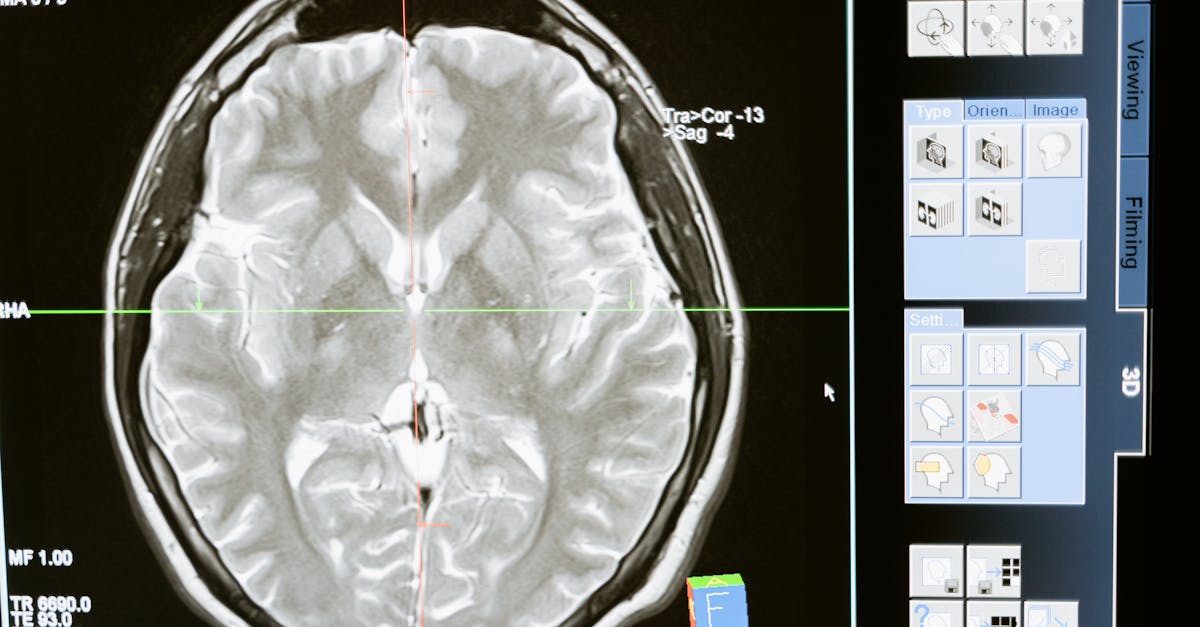
How to recover a neuro problem?
Lifestyle Changes
Making adjustments to daily habits can significantly enhance recovery from neuro problems. Incorporating a balanced diet that focuses on nutrient-rich foods is crucial. Foods rich in antioxidants, omega-3 fatty acids, and vitamins can bolster brain function. Regular physical activity not only promotes overall health but also aids cognitive function. Simple changes such as taking regular walks or engaging in light exercises can yield positive effects.
Establishing a consistent sleep pattern plays a pivotal role in brain recovery. Quality sleep is essential for memory consolidation and mental clarity. Furthermore, reducing stress through reliable coping strategies can diminish neurogenic conditions. Embracing social connections and engaging in stimulating activities enhances both emotional and cognitive resilience, creating a supportive environment for healing.
Diet and Nutrition for Brain Health
A well-balanced diet plays a vital role in enhancing brain health. Incorporating foods rich in antioxidants, vitamins, and healthy fats can support cognitive function and protect against neurodegenerative diseases. Omega-3 fatty acids, found in fish like salmon, have been linked to improved memory and overall brain performance. Additionally, leafy greens, berries, and nuts provide essential nutrients that contribute to optimal brain function. Staying hydrated is equally important, as dehydration can impair cognitive abilities and concentration.
Reducing processed foods and sugars can lead to better mental clarity and emotional stability. These items often contribute to inflammation in the body, which can negatively affect brain health over time. Whole grains can help maintain stable energy levels, allowing for better focus and productivity. Integrating a variety of colorful fruits and vegetables into meals not only enhances nutrition but also ensures a range of beneficial compounds. Adopting a diet rich in whole, nutrient-dense foods can become a cornerstone for improving cognitive resilience and overall well-being.
Physical Therapy
Physical therapy plays a crucial role in the recovery process for individuals facing neuro problems. Through targeted exercises and movement strategies, physical therapists help patients regain strength, improve mobility, and enhance coordination. Tailored treatment plans focus on the unique needs of each individual, allowing them to build confidence and independence while addressing specific deficits.
Additionally, rehabilitation exercises can alleviate symptoms and promote overall well-being. Activities can range from stretching and strengthening to balance training and functional movements. As patients progress, therapists continually adjust the intensity and complexity of exercises to ensure optimal recovery. The supportive environment fosters motivation and accountability, crucial elements for achieving rehabilitation goals.
Benefits of Rehabilitation Exercises
Rehabilitation exercises are essential for anyone recovering from a neurological condition. These exercises are designed to improve motor skills, enhance coordination, and restore balance. Regular engagement in tailored physical activities can also help strengthen muscles affected by diminished function. Over time, such improvements can lead to increased independence in daily tasks and a greater sense of well-being.
Moreover, rehabilitation exercises can significantly improve cognitive function. Activities often involve mental challenges alongside physical movements, promoting brain health as well. Social interaction during group therapy sessions fosters a sense of community, reducing feelings of isolation that can accompany neurological recovery. This dual approach not only aids physical rehabilitation but positively influences overall mental health.
Mindfulness and Mental Health
Practicing mindfulness can significantly enhance mental health by fostering greater awareness of thoughts and emotions. Techniques such as meditation and deep breathing help individuals ground themselves in the present moment. These practices can reduce feelings of anxiety and depression. Engaging regularly in mindfulness exercises cultivates a more positive mindset. This change allows for improved coping mechanisms when faced with stressors.
Incorporating mindfulness into daily routines encourages healthier emotional regulation. Individuals may find that dedicating a few moments each day to quiet reflection or guided mindfulness exercises can yield substantial benefits over time. Enhanced focus and clarity often accompany these practices, leading to more balanced decision-making processes. By fostering a stronger connection to one’s thoughts and feelings, mindfulness supports overall mental well-being.
Stress Management Techniques
Effective management of stress can greatly contribute to overall mental health and well-being. Techniques such as deep breathing exercises, progressive muscle relaxation, and guided imagery are valuable tools for individuals seeking to reduce anxiety levels. Incorporating regular practice of these techniques into daily life can foster a sense of calm and promote emotional resilience. Individuals may also find journaling beneficial, as it allows them to process their thoughts and feelings, leading to greater self-awareness and clarity.
Mindfulness meditation is another powerful strategy for managing stress. This practice encourages individuals to focus on the present moment without judgment. It helps cultivate awareness of thoughts, emotions, and bodily sensations, which can assist in identifying stress triggers. Engaging in activities such as yoga or tai chi can also enhance mindfulness while providing physical benefits. These approaches not only reduce stress but also enhance one's ability to cope with everyday challenges.
FAQS
What are some lifestyle changes that can aid in neuro problem recovery?
Some effective lifestyle changes include maintaining a balanced diet rich in nutrients, engaging in regular physical activity, ensuring adequate sleep, and managing stress through mindfulness practices.
How important is diet and nutrition for brain health?
Diet and nutrition play a crucial role in brain health. Consuming foods high in antioxidants, omega-3 fatty acids, and vitamins can support cognitive function and promote overall neurological recovery.
What type of physical therapy is recommended for neuro problem recovery?
Physical therapy tailored to the individual's needs can be beneficial. This may include exercises to improve strength, coordination, and balance, as well as activities designed to enhance mobility and functionality.
What are the benefits of rehabilitation exercises for neuro patients?
Rehabilitation exercises can improve motor skills, enhance coordination, increase strength, and boost overall physical fitness. They also help in reducing the risk of further complications and support mental well-being.
How can mindfulness and mental health practices assist in recovery from neuro problems?
Mindfulness and mental health practices, such as meditation and deep breathing exercises, can help reduce stress, improve emotional regulation, and enhance cognitive function, all of which contribute positively to recovery.
Related Links
What are the symptoms of neurological issues?What is the most common neurological disorder?