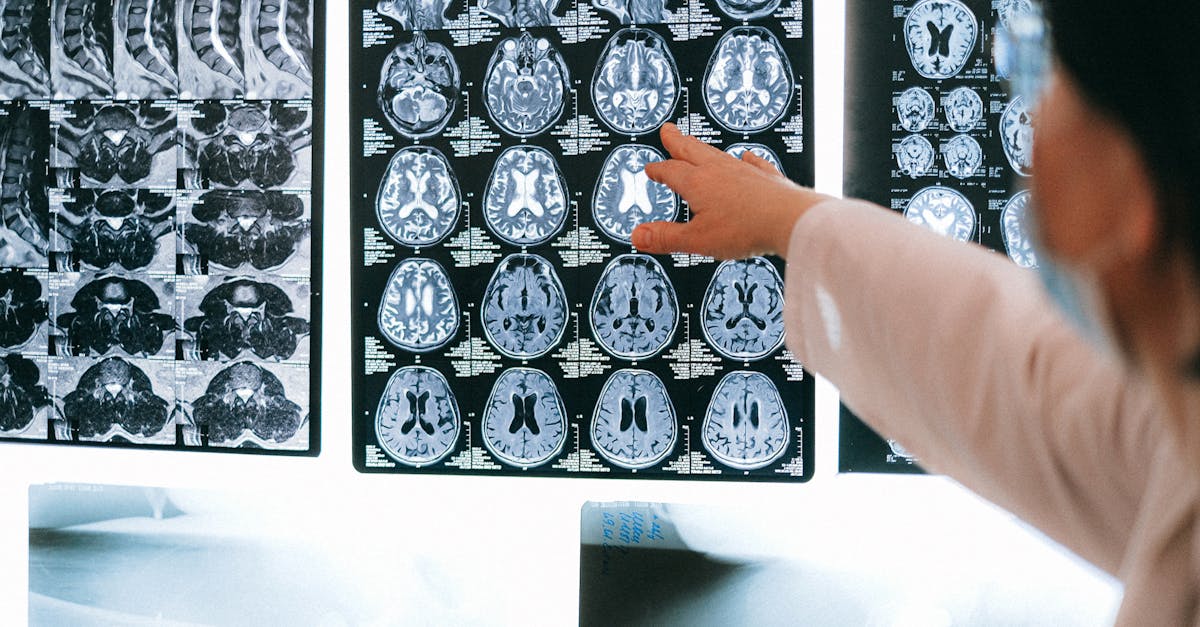
What are the symptoms of neurological issues?
Speech and Language Difficulties
Communication challenges can manifest in various ways, affecting a person's ability to express thoughts clearly or understand spoken language. Symptoms may include slurred speech, frequent pauses, or difficulty finding the right words. These issues might arise from damage to areas of the brain responsible for language processing or speech production. Conditions affecting the nervous system, such as strokes or traumatic brain injuries, can lead to these types of difficulties.
In addition to problems with speech production, individuals may struggle with comprehension of verbal instructions or conversation. This can create misunderstandings or frustration during interactions. The severity of these difficulties varies widely among individuals, depending on the underlying condition. Treatments and therapies, such as speech-language pathology, can help improve communication skills and enhance quality of life.
Slurred Speech and Communication Issues
Slurred speech often manifests as a noticeable alteration in clarity, rhythm, and pace during verbal communication. Individuals may struggle to articulate words properly. This can arise from various underlying conditions such as stroke, multiple sclerosis, or traumatic brain injury. The difficulty in forming coherent speech can lead to frustration and challenges in instances of social interaction.
In addition to slurred speech, communication issues can encompass a range of problems, including difficulty finding the right words or constructing coherent sentences. Individuals may experience apraxia of speech, where the brain struggles to coordinate the muscle movements necessary for speech. Others might face aphasia, which affects language comprehension and expression, leading to significant barriers in daily communication. The impact of these issues can be profound, affecting personal relationships and overall quality of life.
Seizures and Convulsions
Seizures and convulsions are neurological events that can manifest in various forms, often characterized by sudden changes in behavior, sensation, or consciousness. They result from abnormal electrical activity in the brain. This can lead to physical symptoms like shaking, confusion, and loss of awareness. Seizures may last from just a few seconds to several minutes, depending on the type and severity.
There are different types of seizures, including generalized and focal seizures. Generalized seizures affect both sides of the brain and can lead to loss of awareness or strong muscle contractions. Focal seizures, on the other hand, start in one area and may or may not affect consciousness. Understanding these distinctions is crucial for effective diagnosis and management of neurological issues related to seizure activity.
Types of Seizures
Seizures can be categorized into several types, with the most common classifications being focal seizures and generalized seizures. Focal seizures originate in a specific area of the brain and may cause motor, sensory, or autonomic symptoms. These seizures can sometimes affect consciousness, leading to altered awareness during the episode, which is often referred to as a complex focal seizure.
Generalized seizures involve both sides of the brain from the onset and typically result in more widespread symptoms. This category includes tonic-clonic seizures, characterized by muscle stiffening and subsequent rhythmic jerking, as well as absence seizures, which often manifest as brief lapses in awareness. Each type presents unique symptoms and requires different approaches for diagnosis and management.
Headaches and Migraines
Chronic headaches can significantly impact daily activities for many individuals. Tension headaches are often characterized by a dull, aching sensation throughout the head. They may also present with tightness around the forehead or back of the head and neck. These headaches can result from stress, anxiety, or muscle strain. In contrast, migraines are more intense and can be accompanied by symptoms such as nausea, sensitivity to light, and pulsating pain.
Migraines can last from a few hours to several days, making them debilitating for those affected. Certain triggers, including specific foods, hormonal changes, and environmental factors, can provoke these episodes. Understanding the difference between tension headaches and migraines is essential for effective management and treatment. Identifying individual patterns can help in seeking appropriate medical advice and relief strategies.
Tension Headaches vs. Migraines
Tension headaches are characterized by a dull, aching pain that often spreads across the forehead, temples, or back of the head. These headaches commonly occur due to stress, anxiety, or muscle tension. Often, they are accompanied by symptoms such as tenderness in the scalp, neck, or shoulder muscles. While they can vary in intensity, they are generally not associated with nausea or vomiting.
Migraines, on the other hand, present a more complex symptom profile. They typically involve moderate to severe throbbing pain, often affecting one side of the head. In addition to the head pain, individuals may experience nausea, vomiting, or heightened sensitivity to light and sound. Migraines can be triggered by various factors including hormonal changes, certain foods, or stress, making them distinct from tension headaches.
FAQS
What are some common symptoms of neurological issues?
Common symptoms of neurological issues include speech and language difficulties, seizures, headaches, migraines, and changes in coordination or balance.
How can I tell if my speech issues are neurological?
If you experience slurred speech, difficulty finding words, or challenges in understanding language that persist over time, it may be a sign of a neurological issue. Consulting a healthcare professional is recommended for an accurate diagnosis.
What types of seizures are associated with neurological disorders?
Seizures can be classified into several types, including generalized seizures, which affect the entire brain, and focal seizures, which affect only a specific area. Symptoms can vary widely depending on the type.
How can headaches indicate a neurological issue?
Persistent or severe headaches, particularly those that are different from your usual headache patterns, can signal underlying neurological conditions. It's important to seek medical attention if headaches are accompanied by other symptoms like nausea, vision changes, or confusion.
What is the difference between tension headaches and migraines?
Tension headaches typically cause a dull, aching sensation and tightness around the head, while migraines are often accompanied by severe pain, nausea, and sensitivity to light or sound. Both can be related to neurological issues and may require different treatment approaches.
Related Links
Who needs neuro rehab?How to recover a neuro problem?