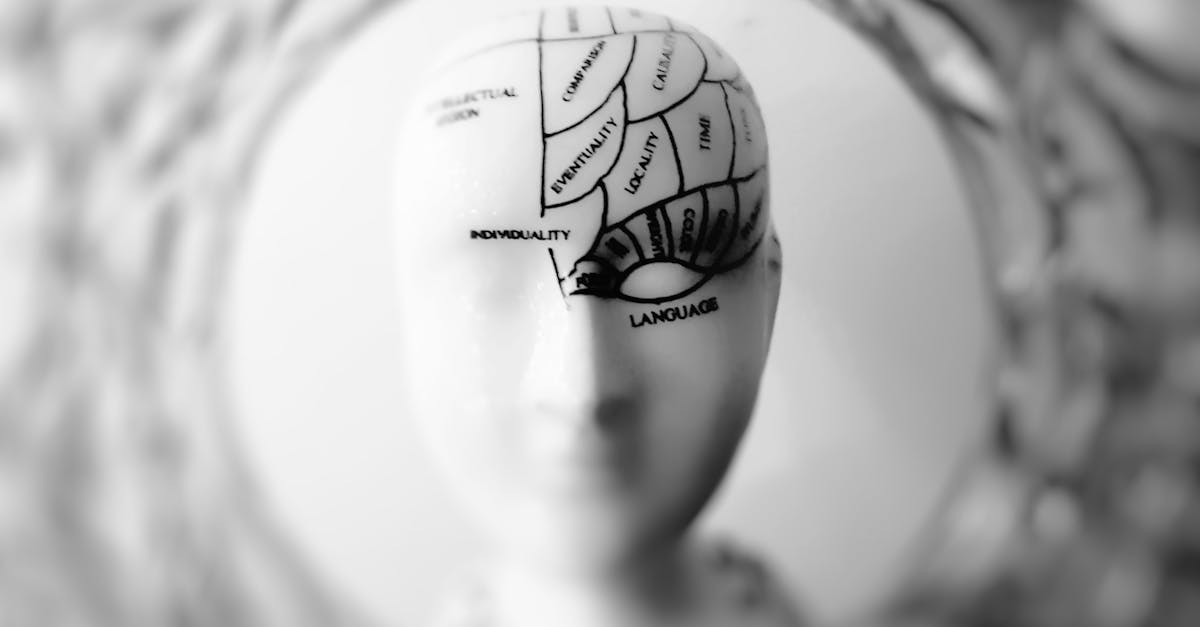
What is neurological rehabilitation?
Role of Occupational Therapy
Occupational therapy plays a vital role in the recovery process for individuals with neurological conditions. Therapists focus on helping patients regain independence and improve their ability to perform daily activities. This involves evaluating cognitive and physical abilities, creating personalized intervention plans, and using specific strategies to overcome barriers. Sessions often incorporate adaptive techniques that encourage meaningful engagement in everyday tasks, enhancing both physical abilities and overall well-being.
Therapists utilize various methods to support skill development, including task-oriented training and environmental modifications. They also emphasize the importance of collaboration with other healthcare professionals to provide a comprehensive approach to care. This interdisciplinary teamwork reinforces the effectiveness of rehabilitation efforts. Furthermore, occupational therapy addresses not only physical limitations but also emotional and social aspects of recovery, fostering a holistic healing journey.
Daily Living Skills Development
Daily living skills are essential for promoting independence and enhancing quality of life for individuals undergoing neurological rehabilitation. These skills encompass a variety of tasks, including self-care activities such as bathing, dressing, cooking, and managing personal hygiene. Occupational therapists assess each person's abilities and challenges, tailoring interventions to meet their specific needs. Through guided practice and adaptive strategies, individuals can relearn and refine the skills necessary for everyday living.
Rehabilitation programs often incorporate a structured approach that emphasizes gradual skill acquisition, allowing for a supportive learning environment. Techniques such as task analysis break each skill down into smaller, manageable steps, making them less overwhelming. The use of visual aids, prompts, and routine establishment can all facilitate the learning process. By focusing on daily living skills, rehabilitation not only aims to restore functional independence but also fosters a sense of accomplishment and confidence in the individual.
Speech and Language Therapy
Speech and language therapy is an essential component of neurological rehabilitation. It focuses on addressing communication difficulties that may arise as a result of neurological disorders. Many individuals may experience challenges with speaking, understanding language, or swallowing, which can significantly impact their quality of life. Therapists evaluate each patient’s specific needs and develop personalized treatment plans aimed at restoring or improving communication skills.
Therapists employ various techniques to facilitate progress. These may include exercises to strengthen the muscles involved in speech, activities to improve cognitive-linguistic skills, and strategies to enhance social communication. In many cases, therapy also involves the family or caregivers to provide support and reinforce skills learned during sessions. This collaborative approach helps create an environment conducive to effective communication, allowing individuals to regain confidence in their ability to interact with others.
Communication Challenges and Solutions
Individuals with neurological conditions often face significant communication challenges. These can manifest as difficulties in speaking, understanding language, or both. Conditions such as stroke, traumatic brain injury, and degenerative diseases contribute to these issues. Frustration and isolation frequently accompany impaired communication, affecting emotional and social well-being.
Solutions for enhancing communication are tailored to each individual's needs. Speech-language pathologists evaluate the specific difficulties and design personalized strategies. Techniques may include exercises to strengthen vocal skills, alternative communication methods, and the use of technology. Family involvement in the rehabilitation process plays a crucial role, fostering an environment that supports consistent practice and improvement.
Technology in Neurological Rehabilitation
Advancements in technology have significantly transformed the landscape of neurological rehabilitation. Innovative tools such as virtual reality and robotics have emerged to create engaging and dynamic therapeutic environments. These technologies facilitate tailored rehabilitation exercises that can adapt to the individual needs of patients. Moreover, they enhance motivation and provide real-time feedback, essential for tracking progress and making necessary adjustments in treatment plans.
The integration of assistive devices further supports individuals in regaining independence. Tools like communication boards and adaptive switches enable patients to navigate daily tasks more effectively. Additionally, wearable technology can monitor various health metrics, allowing therapists to understand their patients' conditions better. This data-driven approach enhances the personalization of rehabilitation strategies, fostering improved outcomes for individuals experiencing neurological challenges.
The Use of Assistive Devices
Assistive devices play a crucial role in enhancing the independence and quality of life for individuals undergoing neurological rehabilitation. These tools range from simple aids like grab bars and adaptive utensils to sophisticated technology such as speech-generating devices and smart home systems. Each device is designed to address specific challenges a patient may face, assisting with mobility, daily functions, or communication needs. The selection of appropriate devices often depends on an individual's specific impairments and rehabilitation goals.
Incorporating assistive devices into rehabilitation strategies can significantly improve patient outcomes. Not only do these tools facilitate greater engagement in everyday activities, but they also empower individuals to regain control over their lives. Occupational therapists and rehabilitation specialists often assess the needs of each patient to recommend tailored solutions. As technology advances, the range of available devices continues to expand, enabling more personalized and effective rehabilitation experiences.
FAQS
What is neurological rehabilitation?
Neurological rehabilitation is a specialized form of therapy aimed at helping individuals recover from neurological disorders or injuries, such as stroke, traumatic brain injury, or spinal cord injury. The goal is to restore function, improve quality of life, and help individuals regain independence in daily activities.
How does occupational therapy contribute to neurological rehabilitation?
Occupational therapy plays a crucial role in neurological rehabilitation by focusing on developing daily living skills and enhancing an individual’s ability to perform everyday tasks. Therapists work with patients to improve their functional abilities, adapt their environment, and implement strategies to facilitate independence.
What are some common communication challenges faced in neurological rehabilitation?
Patients may experience various communication challenges, including difficulty speaking, understanding language, or finding the right words. These challenges can stem from conditions such as stroke or brain injury. Speech and language therapy aims to address these issues through targeted exercises and strategies to improve communication skills.
How is technology used in neurological rehabilitation?
Technology is increasingly being integrated into neurological rehabilitation to enhance therapy outcomes. Assistive devices, virtual reality, and teletherapy platforms are being utilized to support patients in their recovery process, making therapy more engaging and accessible.
What are assistive devices, and how do they help in rehabilitation?
Assistive devices are tools designed to aid individuals in performing tasks they may struggle with due to neurological impairments. Examples include communication devices, mobility aids, and adaptive utensils. These devices help enhance independence and improve the overall quality of life for those in rehabilitation.
Related Links
What is the most common neurological disorder?Brain Health In Paradise
What is a neuro-physical therapist called?
Can you recover from neurological problems?