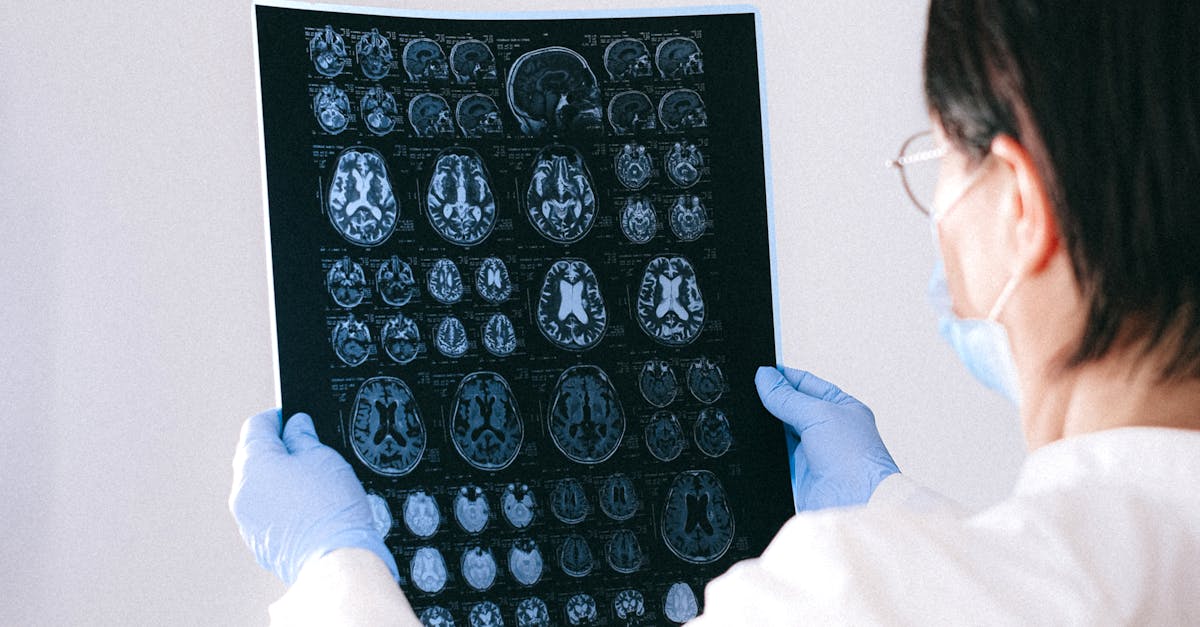
What is neuro rehab physical therapy?
The Importance of an Individualized Treatment Plan
An individualized treatment plan is essential in neuro rehab physical therapy, as it accounts for the unique circumstances and needs of each patient. Factors such as the specific neurological condition, the nature of the injury, and the patient's overall health play significant roles in shaping the approach to therapy. By assessing these elements, therapists can create targeted strategies that enhance recovery potential. Customization ensures that the treatment aligns with the patient's personal goals, making it more effective and relevant.
Developing a tailored treatment plan also allows for progress tracking and adjustments as necessary. Regular evaluations ensure that the therapy evolves in response to the patient’s improvements or challenges. This proactive approach means therapists can modify exercises, change the intensity of sessions, or introduce new techniques to better serve the individual’s journey. As patients navigate their recovery, their unique plan becomes a roadmap guiding them toward regaining function and independence.
Here is a great resource for anyone looking to expand on this topic.
Tailoring Therapy to Patient Needs
Individualized treatment plans are essential to effectively address the unique challenges faced by each patient in neuro rehab. Assessments conducted by physical therapists help identify specific deficits, strengths, and goals. These evaluations guide the development of tailored interventions that consider personal circumstances, including the patient's medical history, type of neurological condition, and overall lifestyle.
Incorporating specific activities and techniques customized to the patient's needs can enhance motivation and engagement in the rehabilitation process. By focusing on functional goals that are meaningful to the individual, therapists can create a collaborative environment. This partnership fosters a sense of ownership over the recovery journey, empowering patients to take an active role in their own rehabilitation.
Typical Duration and Frequency of Therapy
The duration and frequency of neuro rehab physical therapy can vary significantly based on each individual’s specific needs. Generally, sessions may last from 30 to 60 minutes and occur two to three times per week. In some cases, patients may require more frequent visits to address complex challenges or achieve certain recovery milestones. Consistency plays a vital role in the effectiveness of therapy, enabling patients to gradually improve their strength, coordination, and functional abilities.
The overall treatment timeline can also differ considerably among patients. Some individuals may see progress within a few weeks, while others may take several months or longer to achieve their rehabilitation goals. Gathering regular assessments from the rehabilitation team helps to adjust therapy plans accordingly, ensuring that patients remain engaged and motivated throughout their recovery journey. This individualized approach allows practitioners to fine-tune frequency and intensity based on observed progress and evolving patient needs.
Setting Realistic Expectations
Understanding the recovery process is crucial for both patients and their families. Progress in neuro rehabilitation can be slow and non-linear, often consisting of incremental improvements that may not be immediately visible. Setting achievable goals helps to maintain motivation and provides a clearer understanding of the recovery journey. Each individual's response to therapy varies; some may notice swift advancements while others might face prolonged challenges.
Communication with healthcare providers plays a pivotal role in shaping expectations. Regular updates and assessments can help families grasp the complexities of the rehabilitation process. Adjusting expectations as therapy progresses ensures that patients and their loved ones remain engaged and hopeful. Acknowledging both successes and setbacks fosters resilience and encourages a positive outlook throughout the rehabilitation journey.
The Role of Family in Neuro Rehab
Family involvement is crucial in the neuro rehabilitation process. Loved ones can provide emotional support and encouragement, which can significantly boost a patient’s motivation during recovery. By understanding the rehabilitation goals and challenges, family members can offer practical assistance and create a conducive environment for therapy at home. This active participation fosters a sense of belonging and helps patients remain engaged in their rehabilitation journey.
Families should be educated about the specific needs of their loved ones. Training can include learning how to assist with exercises and understanding the necessary adaptations for daily living. By being involved, relatives can become effective advocates for their family members, ensuring they receive appropriate care and resources. This collaborative effort enhances the overall recovery experience, making it more impactful and meaningful for everyone involved.
Support Systems for Recovery
A strong support system plays a crucial role in the recovery journey for individuals undergoing neuro rehab. Family members, friends, and caregivers contribute not only emotional encouragement but also practical help, which can greatly enhance the rehabilitation process. Their understanding and involvement create an environment that promotes motivation and resilience, making it easier for patients to face the challenges ahead.
In addition to personal support networks, formal programs and community resources can provide essential assistance. Support groups and social services can offer valuable information and coping strategies for both patients and their families. These resources often empower individuals by connecting them with others facing similar experiences, fostering a sense of community and shared understanding. This collaborative approach enhances the overall effectiveness of rehabilitation efforts and promotes a more holistic recovery experience.
FAQS
What is neuro rehab physical therapy?
Neuro rehab physical therapy is a specialized form of therapy aimed at helping individuals recover from neurological conditions such as stroke, traumatic brain injury, or multiple sclerosis. It focuses on improving movement, balance, and overall function through tailored exercises and interventions.
Why is an individualized treatment plan important in neuro rehab?
An individualized treatment plan is crucial in neuro rehab because each patient has unique needs, goals, and challenges. Tailoring therapy to a patient's specific condition and recovery objectives maximizes effectiveness and promotes better outcomes.
How often do patients typically attend neuro rehab sessions?
The frequency of neuro rehab sessions can vary based on the individual's needs and treatment goals, but typically patients may attend therapy 1 to 3 times per week. The duration of therapy can also depend on the severity of the condition and the patient's progress.
What role do family members play in neuro rehab?
Family members play a vital role in neuro rehab by providing emotional support, assisting with exercises at home, and helping to reinforce the skills learned during therapy sessions. Their involvement can enhance motivation and promote a positive recovery environment.
How can I set realistic expectations for neuro rehab recovery?
Setting realistic expectations for recovery involves understanding the nature of the neurological condition, discussing goals with the therapy team, and acknowledging that progress may be gradual. It’s important to celebrate small achievements and stay committed to the rehabilitation process.
Related Links
What does neurological physical therapy do?How to repair the nervous system naturally?
Brain Health In Paradise