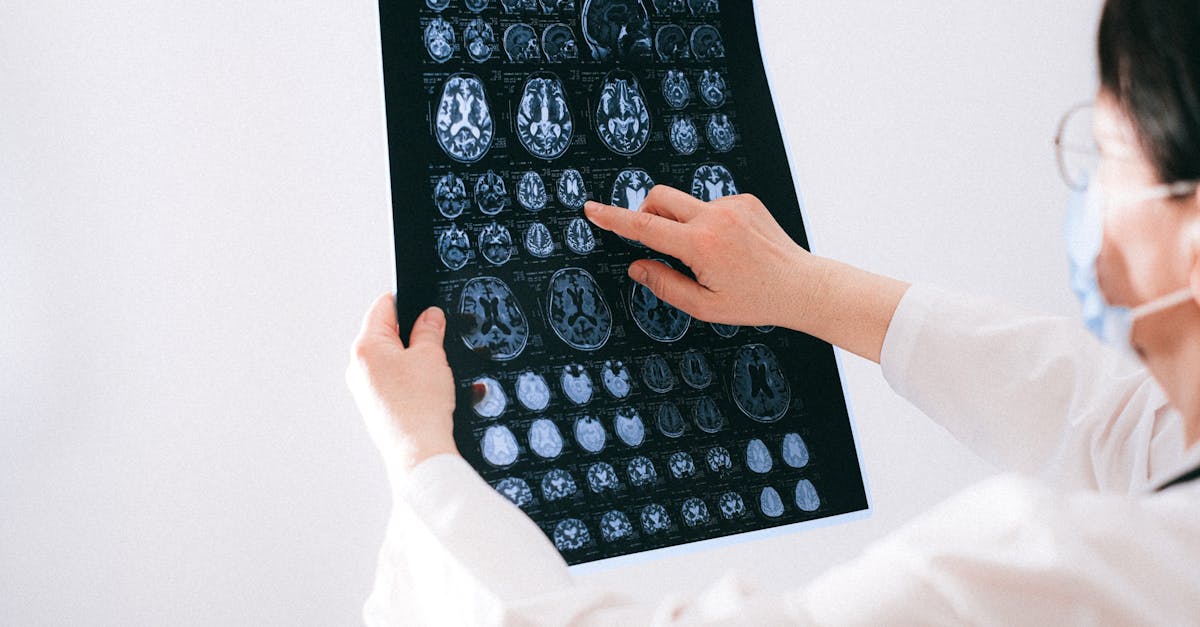
What are neurological symptoms you shouldn't ignore?
Visual Disturbances
Sudden changes in vision can be more than just a nuisance; they may signal underlying health issues that require immediate attention. Conditions such as migraines with aura, retinal detachment, or even stroke can manifest through disturbances like blurred vision, double vision, or flashes of light. Recognizing these symptoms promptly can be crucial in preventing further complications or permanent damage.
Occasionally, visual disturbances are accompanied by other neurological signs, such as headaches or dizziness. These combinations can indicate serious conditions, including multiple sclerosis or brain tumors, where timely diagnosis and treatment significantly affect outcomes. If symptoms persist or worsen, seeking professional medical advice is essential for a comprehensive evaluation and appropriate management.
Identifying Serious Eye and Brain Conditions
Visual disturbances can signify a range of serious eye and brain conditions that require prompt attention. Sudden changes in vision, such as blurred vision, double vision, or visual loss in one eye, may indicate issues like retinal detachment or optic neuritis. Conditions such as these could lead to permanent vision loss if not treated promptly. Frequent headaches alongside visual changes might suggest increased intracranial pressure or even a tumor, warranting immediate medical evaluation.
Beyond common eye conditions, certain neurological signs can accompany visual disturbances. These may include difficulty concentrating, confusion, or abrupt personality changes. Symptoms such as these can indicate an underlying neurological disorder, including but not limited to multiple sclerosis or brain tumors. A thorough assessment by healthcare professionals is essential when these symptoms present themselves, ensuring any serious issues are diagnosed and managed early on.
Numbness and Tingling Sensations
Experiencing numbness and tingling sensations can signal various underlying issues that may require immediate attention. These sensations often result from nerve compression, poor circulation, or even vitamin deficiencies. Conditions such as carpal tunnel syndrome or peripheral neuropathy can also manifest through these symptoms. When these feelings occur in one area of the body, like a limb, they usually indicate localized irritation or damage to nerves. However, widespread or recurrent instances should raise concern for more serious medical conditions.
A persistent or sudden onset of these sensations could indicate a neurological disorder that needs further evaluation. Multiple sclerosis or stroke are examples of conditions that might present with such symptoms. Individuals should be cautious about associated factors like weakness, changes in vision, or difficulty speaking. Not every instance of numbness or tingling leads to a grave diagnosis. Seeking medical advice will ensure proper assessment and, if necessary, timely intervention.
Potential Underlying Neurological Disorders
Sudden numbness or tingling sensations in the arms, legs, or face can be indicative of severe neurological conditions. These symptoms might point towards issues such as multiple sclerosis, stroke, or even peripheral neuropathy. Understanding the context in which these sensations occur is crucial. They can emerge after an injury, with particular medical conditions, or even without an apparent cause.
Individuals experiencing persistent or sporadic numbness should seek medical advice. An accurate diagnosis often requires thorough examinations, including neurological assessments and imaging studies. Early intervention can play a significant role in treatment outcomes and overall health management. Recognizing the seriousness of these sensations can lead to timely care and prevention of potential complications.
Changes in Coordination
Unexplained changes in coordination can manifest as difficulty in balance or trouble with fine motor skills. These symptoms may be subtle at first, like stumbling while walking or struggling to perform tasks that require precision, such as buttoning a shirt or writing. When such signs appear, they can indicate underlying neurological issues that need prompt evaluation. The central nervous system plays a critical role in coordinating movements, and disruptions in its functioning can lead to these troubling symptoms.
Several conditions may contribute to a decline in coordination. Neurological disorders such as multiple sclerosis, Parkinson’s disease, or stroke can affect motor control by impairing the brain's ability to process information correctly. Even less common issues, like certain vitamin deficiencies, may cause balance problems and coordination challenges. Identifying and addressing the cause of these symptoms is crucial for maintaining overall health and preventing further complications.
How Motor Skills Reflect Health Conditions
Motor skills are integral to daily activities, and any noticeable changes can signal underlying health issues. For example, difficulty with balance or coordination can result from conditions such as Parkinson's disease or multiple sclerosis. These disorders often disrupt the brain's ability to communicate effectively with the body, leading to challenges in executing precise movements and maintaining stability.
Observing fine motor skills provides further insights into neurological health. Issues with tasks like buttoning a shirt or writing can arise from various factors, including nerve damage or muscular disorders. Early recognition of these signs is crucial for timely diagnosis and intervention, as they can indicate more serious neurological conditions that may require immediate medical attention.
FAQS
What are some common neurological symptoms that should not be ignored?
Common neurological symptoms to watch for include visual disturbances, numbness and tingling sensations, changes in coordination, memory loss, severe headaches, and difficulty speaking. If you experience any of these, it’s important to seek medical attention.
When should I seek medical help for neurological symptoms?
You should seek medical help if you experience sudden or severe neurological symptoms, such as loss of consciousness, extreme dizziness, sudden changes in vision, weakness in one side of the body, or confusion. These could indicate a serious condition.
Can anxiety or stress cause neurological symptoms?
Yes, anxiety and stress can lead to neurological symptoms such as tingling, numbness, or even tremors. However, it's important to differentiate these from symptoms caused by underlying neurological disorders, so consulting a healthcare professional is advised.
What are visual disturbances, and why are they concerning?
Visual disturbances can include blurred vision, double vision, or sudden loss of vision. They are concerning because they may indicate serious conditions affecting the eyes or brain, such as stroke, retinal detachment, or other neurological disorders.
How do changes in coordination relate to neurological health?
Changes in coordination, such as difficulty walking or performing tasks, can indicate underlying neurological issues. These changes may be caused by conditions affecting the brain, spinal cord, or nerves, and should be evaluated by a healthcare professional.
Related Links
How do you test for neurological issues?Can neurological conditions be reversed?
Brain Health In Paradise