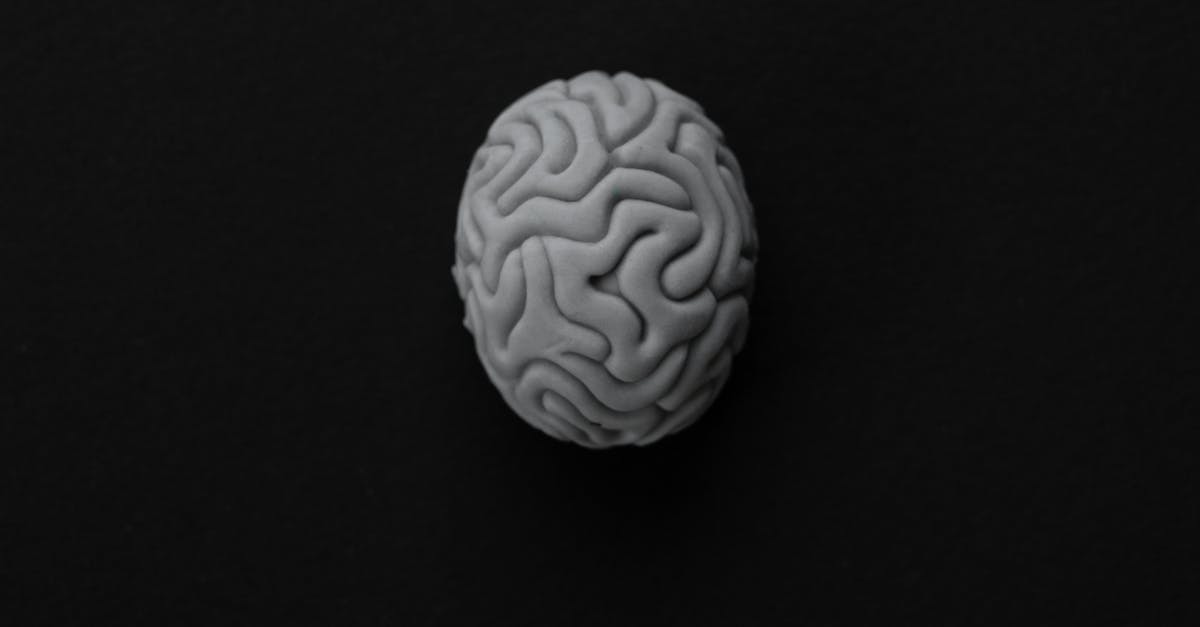
Can neurological damage be healed?
Alternative Therapies
Many individuals seek relief and recovery through alternative therapies when faced with neurological damage. Practices such as acupuncture, chiropractic care, and yoga can play a significant role in alleviating symptoms and improving overall well-being. These therapies often focus on restoring balance within the body, which may contribute to healing and reducing chronic pain associated with neurological conditions. Combining these approaches with traditional medicine can also enhance the therapeutic experience for patients.
Mindfulness and meditation have gained popularity as valuable tools in managing neurological damage. These practices promote relaxation, which can alleviate stress and anxiety commonly experienced by patients. By fostering a deeper connection with the mind and body, individuals may find that their mental clarity and emotional resilience improve over time. This holistic approach encourages a comprehensive treatment strategy, addressing both the physical and psychological aspects of recovery.
The Role of Nutrition and Supplements
Nutrition plays a vital role in supporting overall brain health and can be particularly important for individuals with neurological damage. A balanced diet rich in antioxidants, omega-3 fatty acids, vitamins, and minerals may contribute to improved cognitive function and neural repair. Foods such as fatty fish, nuts, leafy greens, and berries have been shown to provide essential nutrients that can help combat oxidative stress and inflammation, both of which are linked to neurological disorders.
Supplements may also offer additional support for brain health. For instance, omega-3 fatty acid supplements, B vitamins, and specific antioxidants, such as CoQ10, can potentially alleviate some symptoms associated with neurological damage. While these supplements can be beneficial, it is essential for patients to consult healthcare professionals to ensure the appropriate dosage and to avoid any adverse interactions with other medications. Tailoring nutrition and supplementation to individual needs can enhance recovery efforts and improve overall well-being.
Psychological Impact of Neurological Damage
Neurological damage can profoundly affect an individual's psychological well-being. Patients may experience challenges such as anxiety, depression, or alterations in their mood. These emotional responses can stem from the physical limitations imposed by the damage and the uncertainty regarding recovery. The impact of such changes often extends beyond the individual, influencing relationships with family and friends. The combination of fear and frustration frequently complicates the healing process, making mental health support essential.
Adjusting to life after neurological damage can lead to a range of cognitive challenges, including difficulties with memory, attention, and decision-making. These cognitive impairments can exacerbate feelings of isolation, as patients may struggle to engage in activities they once enjoyed. As a result, the shift in cognitive function can contribute to a negative self-image. Encouraging open discussions about these challenges can help reduce stigma and foster resilience, ultimately enhancing a patient's ability to cope with their new reality.
Coping Strategies for Patients
Facing the challenges of neurological damage can be overwhelming for patients. Developing a routine that incorporates both physical and mental activities can help improve mood and cognitive function. Patients may find it beneficial to set small, achievable goals each day. This approach fosters a sense of accomplishment and encourages continued progress. Engaging in mindfulness practices such as meditation or deep-breathing exercises can also alleviate anxiety and promote emotional well-being.
Connecting with others who share similar experiences can provide invaluable support. Group therapy or support groups create a space for patients to share their journey and learn from one another. Journaling can serve as a therapeutic outlet, allowing individuals to express their feelings and reflect on their progress. Incorporating these strategies can enhance resilience and empower patients as they navigate their recovery journey.
Support Systems and Resources
A strong network of support can significantly enhance the recovery process for individuals suffering from neurological damage. Families and friends play a crucial role, providing emotional backing and understanding. Engaging in support groups offers opportunities to share experiences and resources with others facing similar challenges. Such connections foster a sense of belonging and reduce feelings of isolation that often accompany neurological disorders.
Access to professional resources can also be invaluable. Rehabilitation centers, occupational therapists, and social workers can guide patients on their journey to recovery. Educational programs designed for patients and caregivers provide essential information about managing symptoms and improving quality of life. Taking advantage of community resources, such as local non-profits that focus on neurological health, can empower individuals and their families to navigate the complexities of recovery.
Building a Network for Recovery
Recovery from neurological damage often relies on a strong support network. Building connections with family, friends, and healthcare professionals can provide emotional comfort and practical assistance. Engaging with support groups also offers valuable insights from others facing similar challenges. Sharing experiences within these communities fosters a sense of belonging and understanding.
Access to resources is crucial in the recovery journey. Organizations dedicated to neurological health can offer educational materials, workshops, and opportunities for social interaction. Involving loved ones in therapy sessions can enhance motivation as well. A multi-faceted approach combining emotional, educational, and social elements can significantly aid in the healing process.
FAQS
Can neurological damage be completely healed?
While some neurological damage may not be completely reversible, various treatments and therapies can help improve function and quality of life. The extent of healing often depends on the type and severity of the damage.
What alternative therapies are effective for neurological damage?
Alternative therapies such as acupuncture, yoga, and mindfulness meditation have shown promise in alleviating symptoms and supporting recovery. However, it is important to consult with a healthcare professional before starting any alternative treatment.
How does nutrition play a role in recovery from neurological damage?
Proper nutrition can support brain health and may aid in recovery. Nutrients such as omega-3 fatty acids, antioxidants, and vitamins B and D are believed to have beneficial effects on neurological function.
What psychological impacts can result from neurological damage?
Neurological damage can lead to a range of psychological effects, including anxiety, depression, and changes in mood. These emotional responses can significantly affect the recovery process and overall well-being.
What coping strategies can help patients dealing with neurological damage?
Effective coping strategies include engaging in physical rehabilitation, seeking psychological support, practicing mindfulness, and maintaining a healthy lifestyle. It can also be beneficial to connect with others who have similar experiences.
How can I build a support network for recovery from neurological damage?
Building a support network can involve reaching out to family, friends, healthcare providers, and support groups. Engaging with community resources and online forums can also provide valuable connections and encouragement during the recovery process.
Related Links
What are the goals of neuro rehabilitation?What are the five causes of neurological disorders?